
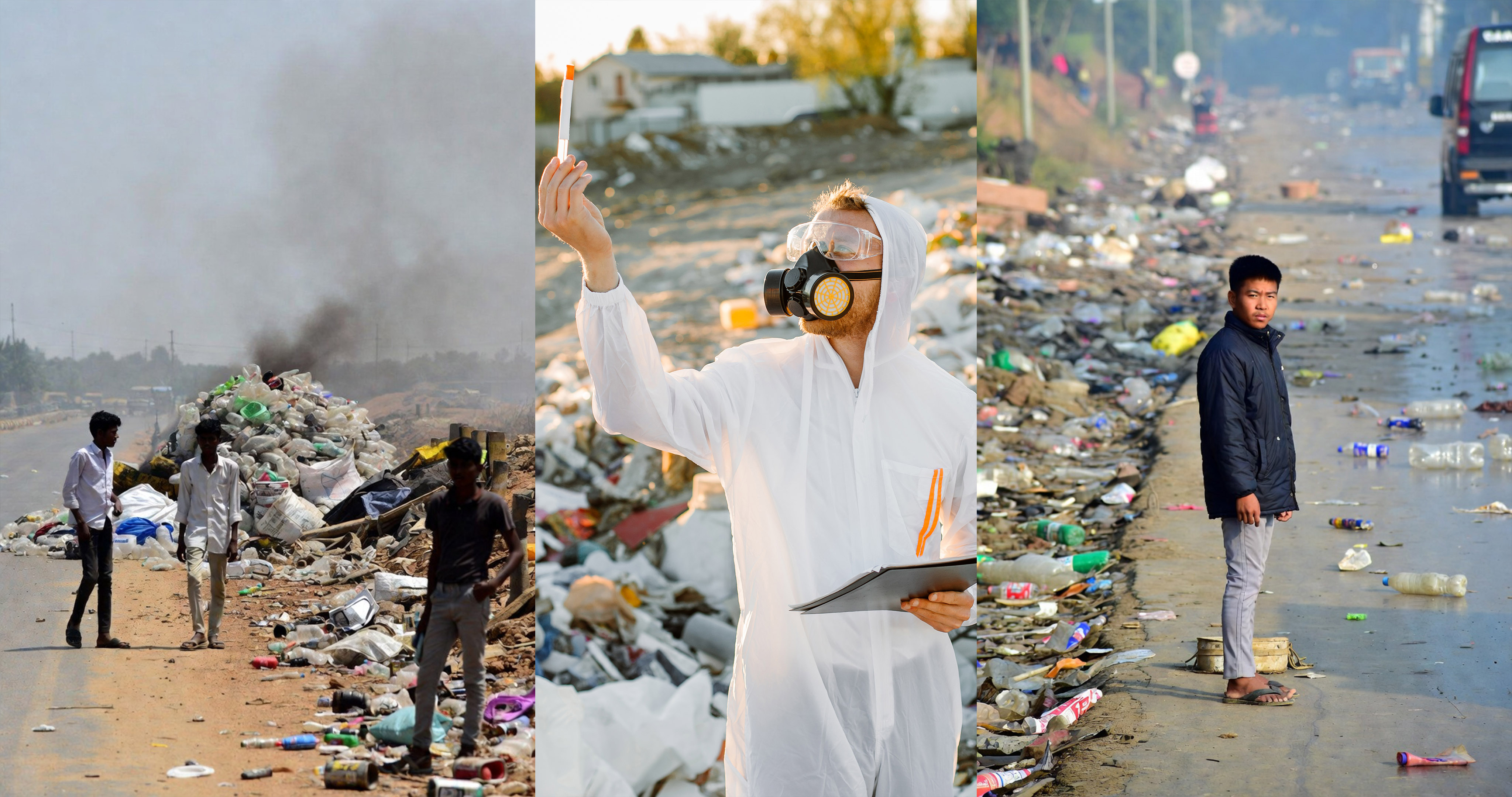
Air pollution by the roadsides is primarily caused by vehicle emissions, including nitrogen oxides, particulate matter, carbon monoxide, and volatile organic compounds, which result from the combustion of fossil fuels. These pollutants can harm human health, causing respiratory and cardiovascular issues, and degrade the environment by contributing to smog and acid rain.
Earth's most thrilling homesteads are often found in remote, scenic, and adventurous locations such as mountain cabins in the Rocky Mountains, treehouse retreats in rainforests, desert farms in the Southwest, or floating homes in coastal areas.

Imagine humanity's first livable home on Mars as a sleek, self-sustaining habitat nestled against the red planet's rugged terrain, with a transparent domed ceiling offering a panoramic view of the barren landscape and distant stars.

Board games reflect and influence the way we live today by emphasizing social interaction, strategic thinking, and shared experiences in a digital age often dominated by screen time and individualism.

Indoor games and the universe are interconnected through the themes of exploration, strategy, and imagination.

The beginning of fabrics dates back thousands of years, with early humans using natural fibers such as animal hides and plant materials to create coverings and clothing.

AI plays a significant role in shaping the security of youth today by offering tools for education, safety, and connectivity, but it also presents risks such as cyberbullying, privacy invasion, and exposure to inappropriate content.

The anticipation of humanity on Mars is fueled by scientific curiosity, technological advancements, and the desire for planetary exploration, with space agencies like NASA and private companies like Virgin & SpaceX leading the charge.

Africa is experiencing a rapid transformation in technology, driven by innovative startups, increased internet connectivity, mobile banking, and renewable energy solutions.
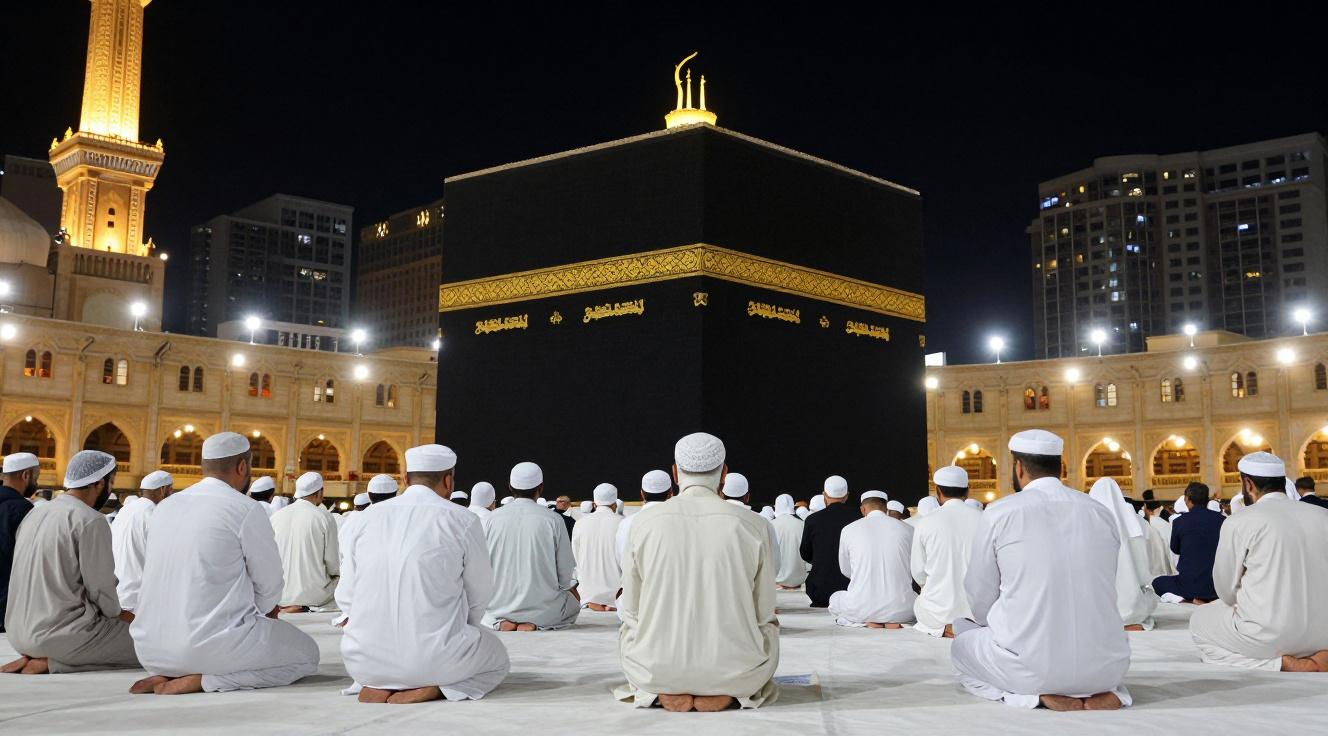
Join us annually at the Uganda National Quran Recitation Contest and showcase your talent, passion, and dedication to the Holy Quran!