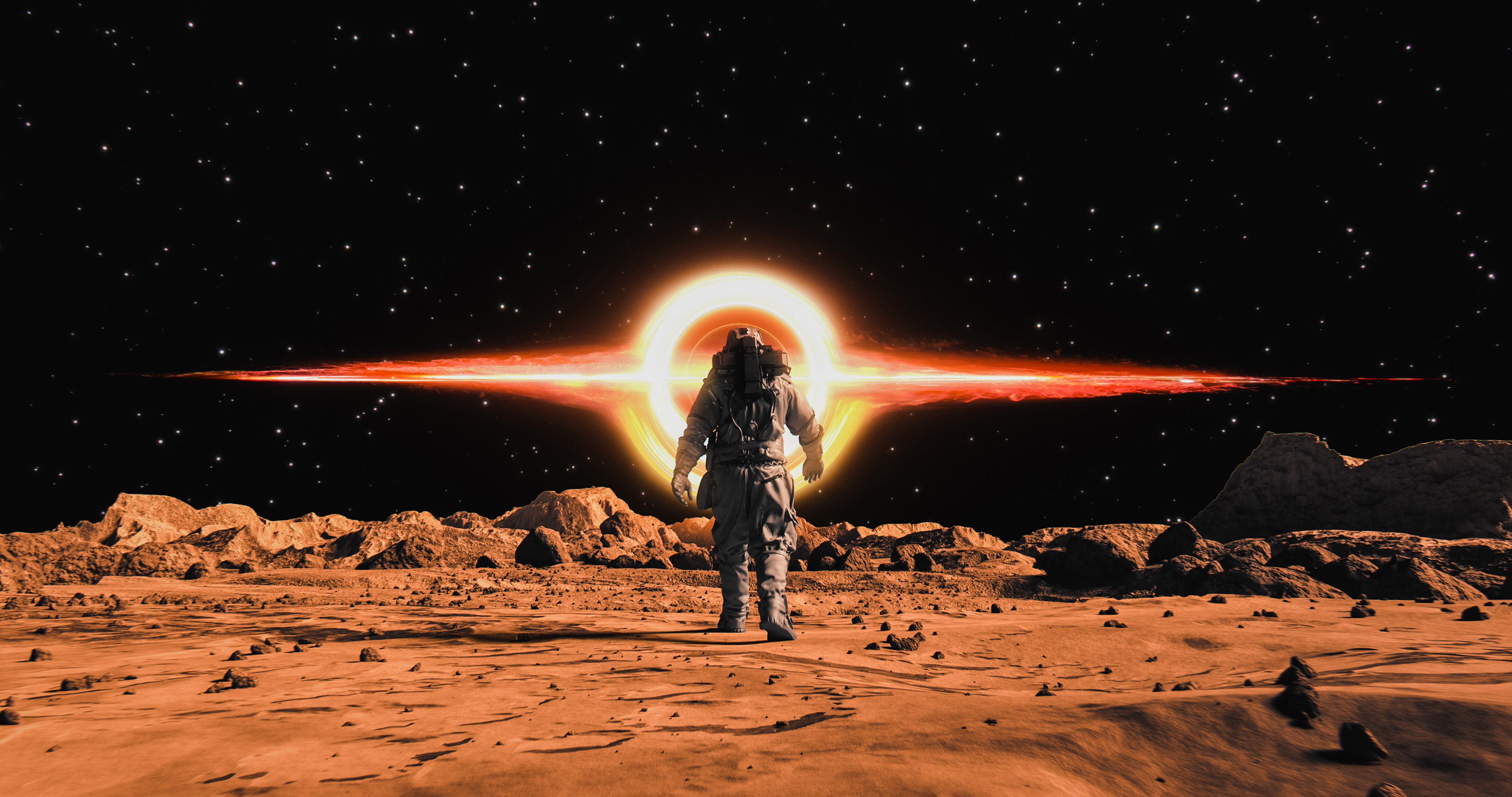
Imagine humanity's first livable home on Mars as a sleek, self-sustaining habitat nestled against the red planet's rugged terrain, with a transparent domed ceiling offering a panoramic view of the barren landscape and distant stars.
Inside, it’s a compact but comfortable space featuring advanced life support systems, hydroponic gardens growing food, and modular living quarters filled with warm, Earth-like lighting. The habitat is constructed from lightweight, durable materials designed to withstand Mars' harsh environment, including radiation. Solar panels and nuclear reactors provide energy, while recycling systems ensure water and air are efficiently reused. Outside, robotic rovers tend to the surroundings, gradually transforming the red planet into a new home for human explorers eager to unlock its secrets.
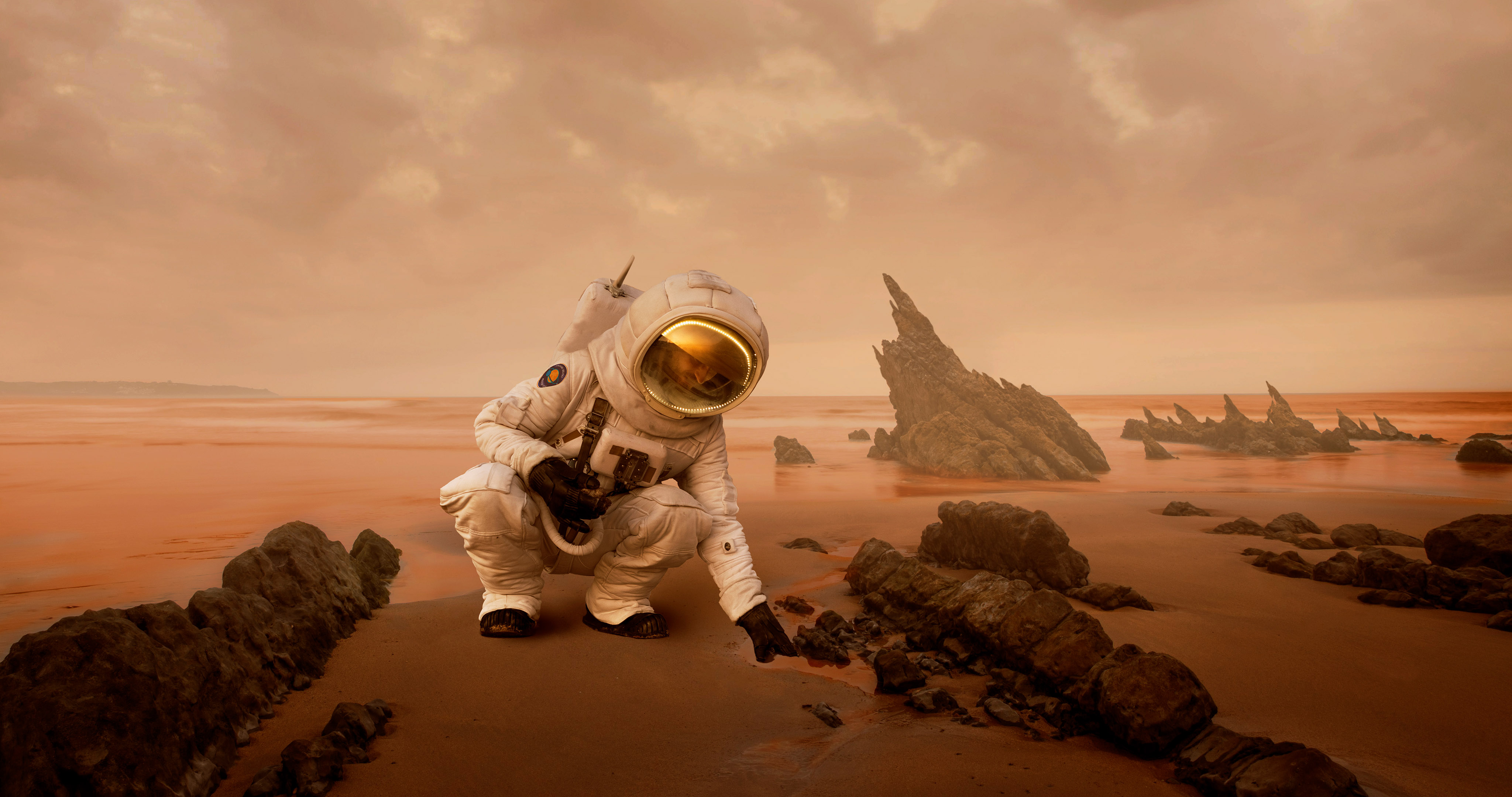
Space tourism is rapidly emerging as a new frontier in the current era, with private companies like SpaceX, Blue Origin, and Virgin Galactic leading the charge to make space travel accessible to civilians. While still in its infancy and primarily focused on short suborbital and orbital trips, space tourism promises to revolutionize travel, offering once-in-a-lifetime experiences such as viewing Earth from space, weightlessness, and even stays in space hotels. As technology advances and costs decrease, space tourism is poised to expand, opening up new opportunities for adventure, scientific research, and a broader public connection to the cosmos, transforming humanity’s relationship with outer space.
Humanity's visions for Mars encompass a range of inspiring goals, from establishing sustainable colonies and advancing scientific research to exploring the possibility of terraforming the planet for future habitation. These visions reflect a blend of scientific ambition, technological innovation, and a desire to become a multiplanetary species, driven by hopes of expanding human civilization, ensuring species survival, and unlocking the mysteries of the universe. As space agencies like NASA and private companies like SpaceX & Virgin push forward, these visions continue to evolve, inspiring generations to imagine a future where humans actively inhabit and transform the Red Planet.
Humanity on mars
Beyond the blue skies and Earth’s gentle sway,
Humanity dreams of a new kind of day.
On crimson sands where the cold winds blow,
A future takes root, silent and slow.
Footsteps in dust, a fragile advance,
A daring quest, a cosmic dance.
Bound by hope and a spark’s bright gleam,
We reach for stars, chase a distant dream.
Mars whispers secrets in rusty hue,
A frontier vast, both harsh and true.
Yet in our hearts, a resilient spark—
To forge a home where once was dark.
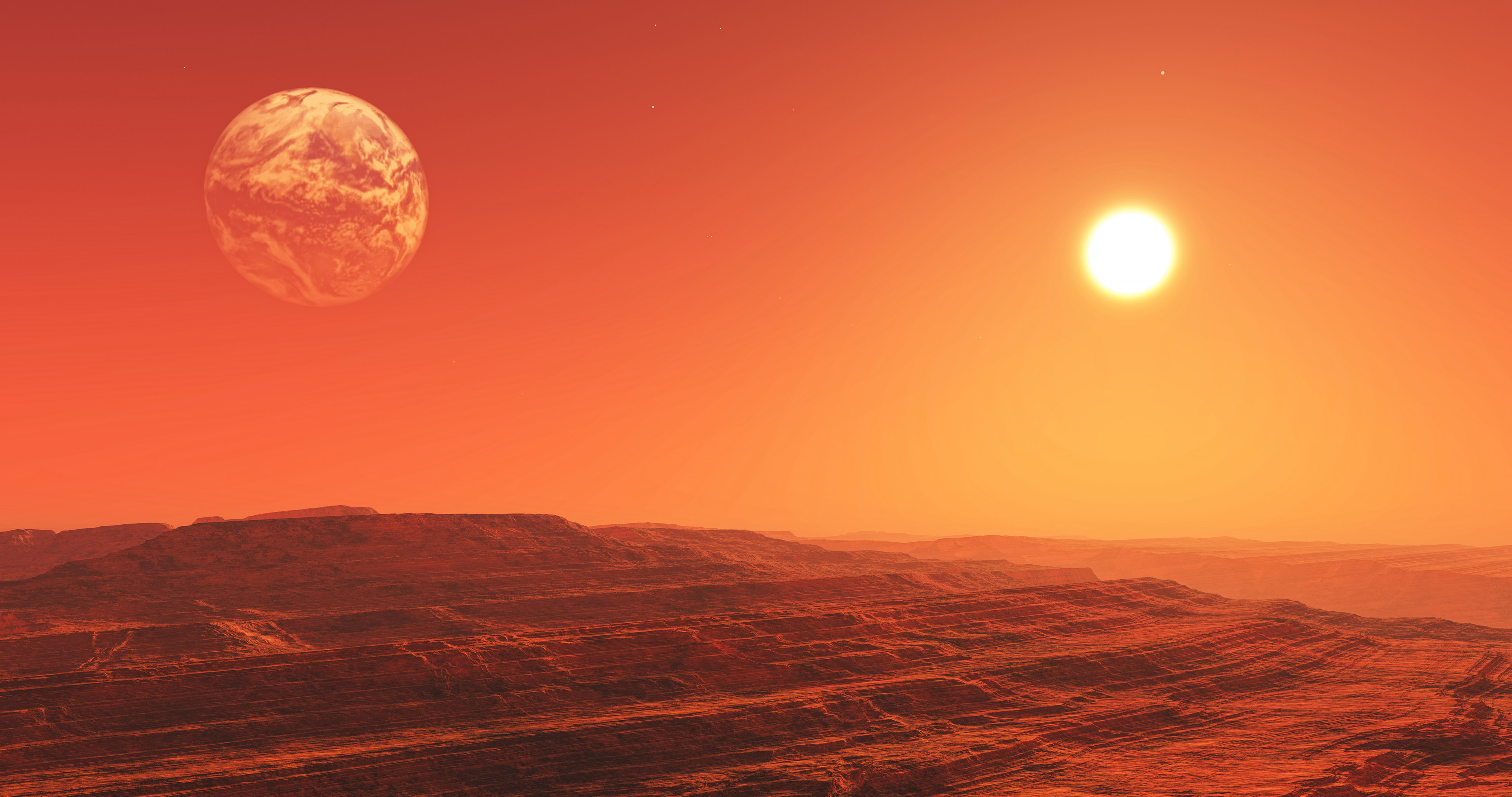
The timeline for humanity to habit Mars is still uncertain but optimistic projections suggest that we could see the first sustainable human settlements within the next 20 to 30 years, depending on technological progress, funding, and international collaboration. Space agencies like NASA and private companies like SpaceX are actively developing the necessary technology for life support, habitat construction, and transportation, with ambitious plans aiming for the 2030s. However, establishing a fully self-sufficient, long-term human presence on Mars will require overcoming significant challenges related to life support systems, radiation protection, and resource utilization, making the timeline ambitious yet potentially achievable within this century.