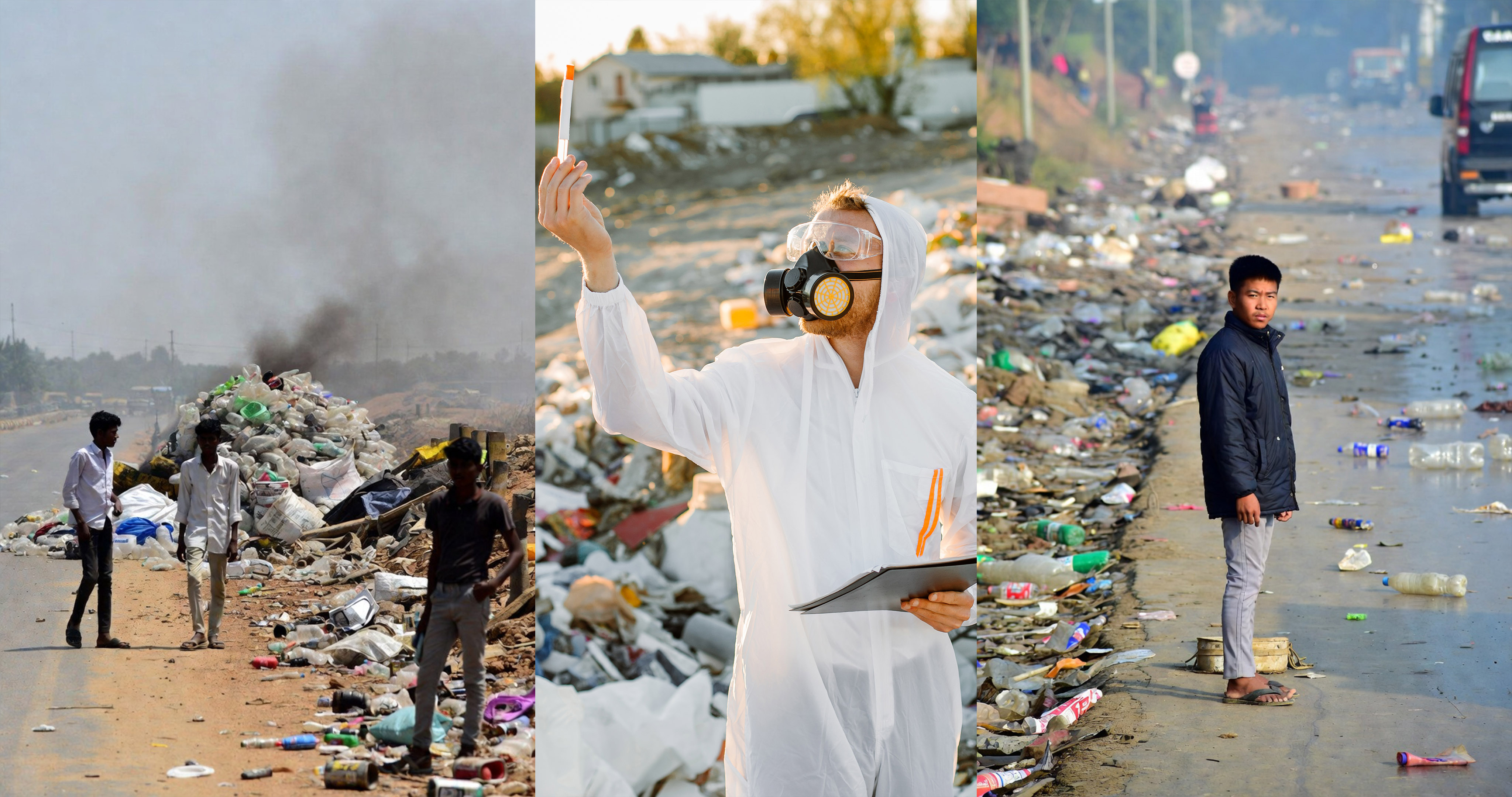
Air pollution by the roadsides is primarily caused by vehicle emissions, including nitrogen oxides, particulate matter, carbon monoxide, and volatile organic compounds, which result from the combustion of fossil fuels. These pollutants can harm human health, causing respiratory and cardiovascular issues, and degrade the environment by contributing to smog and acid rain.
To mitigate roadside air pollution, strategies such as promoting electric vehicles, implementing stricter emission standards, expanding green buffers like trees and shrubs, and encouraging public transportation and non-motorized travel are essential. Additionally, developing cleaner fuels and adopting urban planning that reduces traffic congestion can significantly improve air quality along roadsides.

Youth are particularly vulnerable to roadside air pollution, which can lead to serious health issues such as asthma, respiratory infections, and other chronic conditions due to their developing lungs and higher physical activity levels. Exposure during adolescence can also have long-term effects on lung development and overall health. To protect young people, measures like creating pedestrian-friendly zones, increasing green spaces, promoting the use of cleaner transportation options, and raising awareness about pollution’s health impacts are crucial. Encouraging policies that reduce vehicle emissions and improve air quality in areas heavily frequented by youth can help safeguard their health and ensure a cleaner environment for future generations.
Air pollution by the roadsides
The cars they rush, a hurried song,
A smoky sigh, where dreams belong.
Your breath, a flower, sweet and fair,
Meets fumes that linger in the air.
The sun, a blush, on dusty leaves,
While engines hum, and my heart grieves.
For tender lungs, and skies so bright,
Dimmed by this hurried, passing light.
I long to walk with you, hand in hand,
Through air as clean as summer land.
But here, we breathe a shadowed plea,
For clearer skies, for you and me.
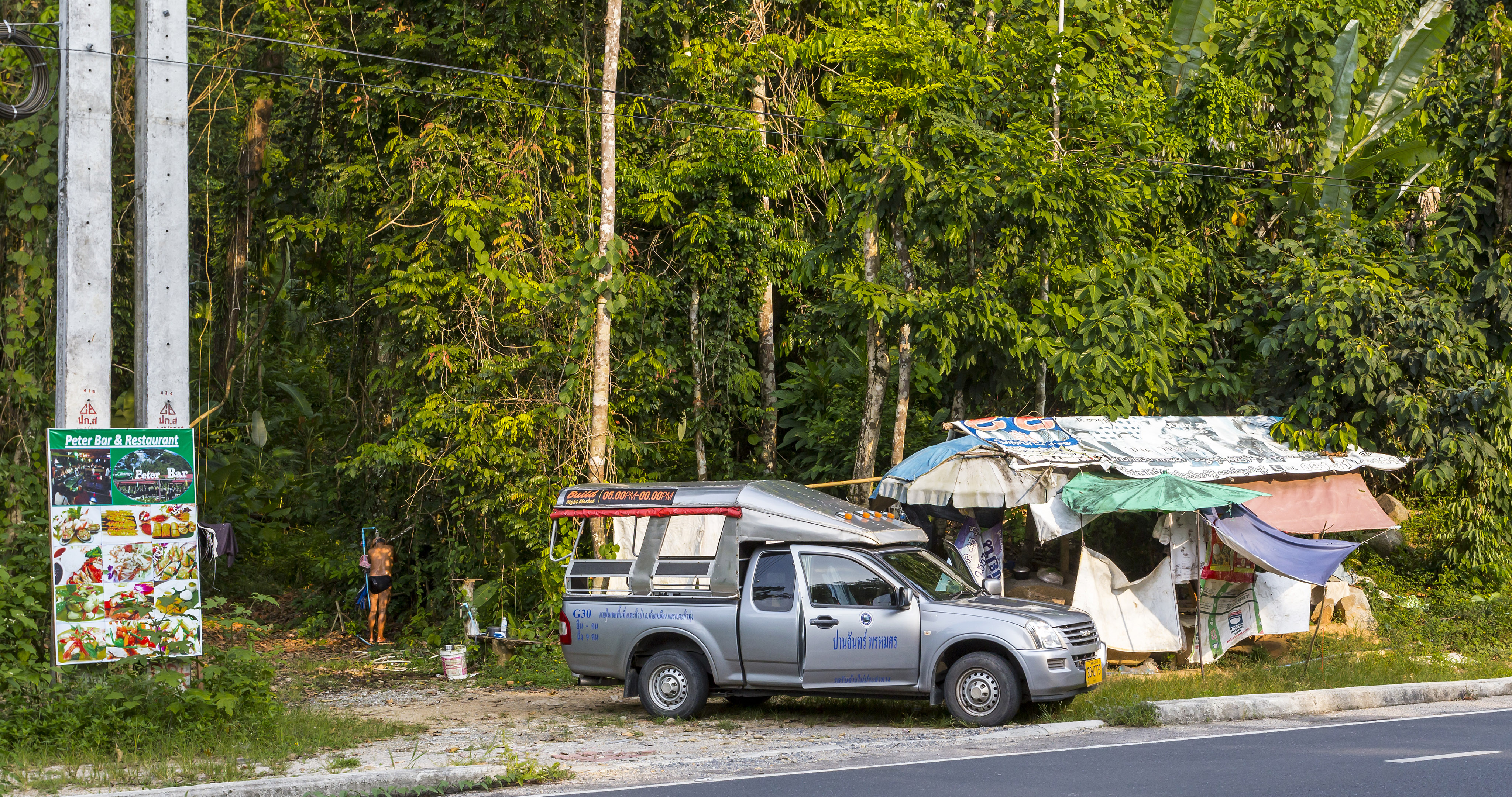
Government policies play a crucial role in controlling roadside pollution by establishing and enforcing emission standards for vehicles, promoting the use of cleaner fuels and electric vehicles, and regulating industrial activities near roadways. They can also implement traffic management strategies to reduce congestion, create green zones and buffers along roadsides, and promote public transportation and non-motorized travel options. Additionally, policies aimed at monitoring air quality and raising public awareness about pollution’s health impacts are essential for encouraging community participation in pollution reduction efforts. Effective government interventions are vital for improving air quality, protecting public health, and ensuring sustainable urban development.
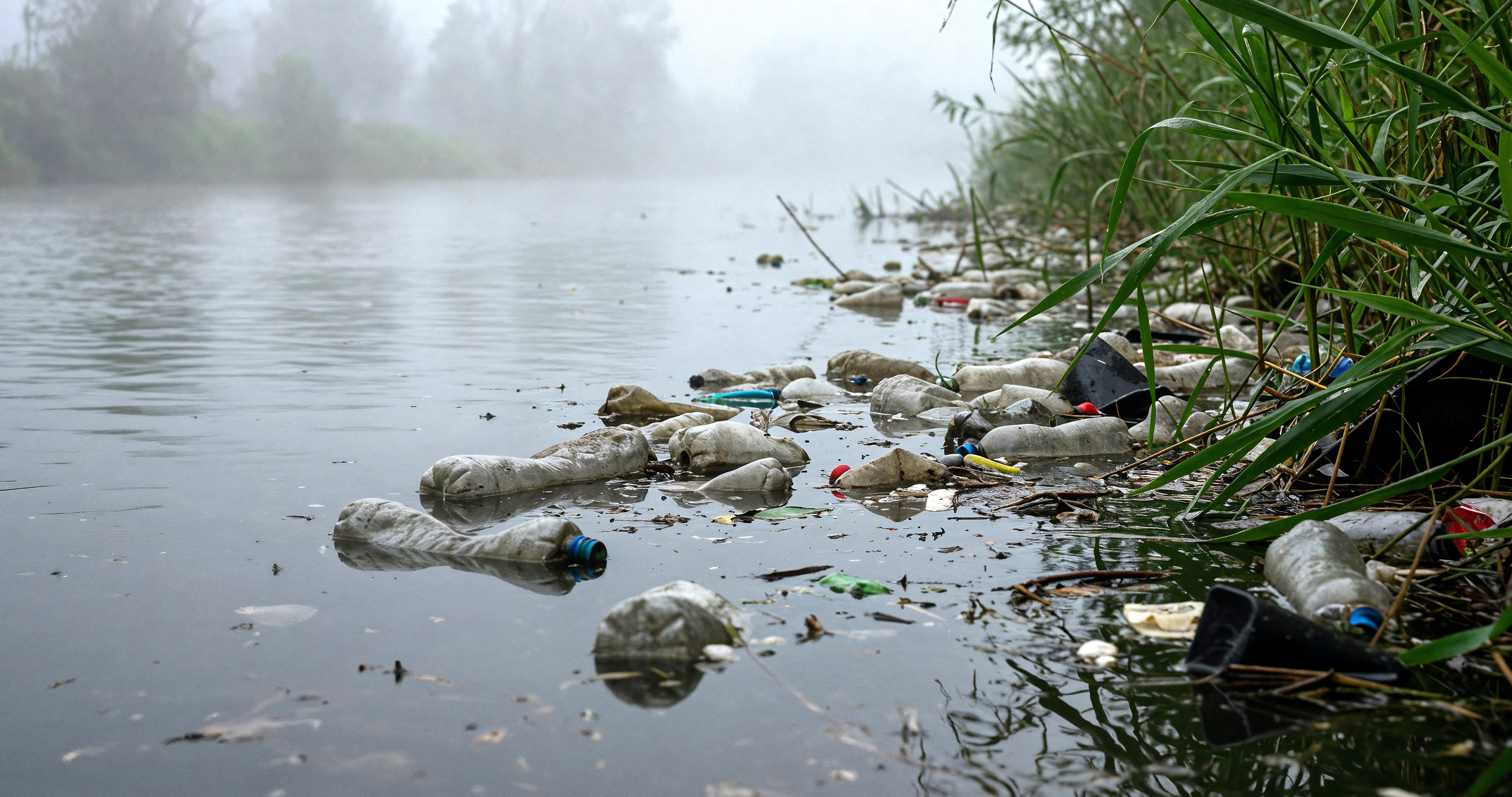
Humanity is addressing the roadside pollution dilemma through various efforts such as advocating for cleaner transportation options like electric vehicles and public transit, raising awareness about air quality and health risks, and supporting policies aimed at reducing vehicle emissions. Communities are planting more green spaces and trees along roadsides to absorb pollutants, while technological advancements are improving vehicle efficiency and pollution control devices. Additionally, global initiatives and collaborations are pushing for stricter emission standards and sustainable urban planning to minimize roadside pollution, demonstrating a collective commitment to creating healthier environments for all.