AI plays a significant role in shaping the security of youth today by offering tools for education, safety, and connectivity, but it also presents risks such as cyberbullying, privacy invasion, and exposure to inappropriate content.
To ensure their safety, it is essential to implement robust digital literacy programs, enforce stricter data protection measures, and develop AI systems that promote positive interactions while filtering harmful content. Additionally, fostering awareness about online risks and encouraging responsible digital behavior can help protect young people in an increasingly connected world, ensuring AI serves as a tool for empowerment rather than a source of vulnerability.
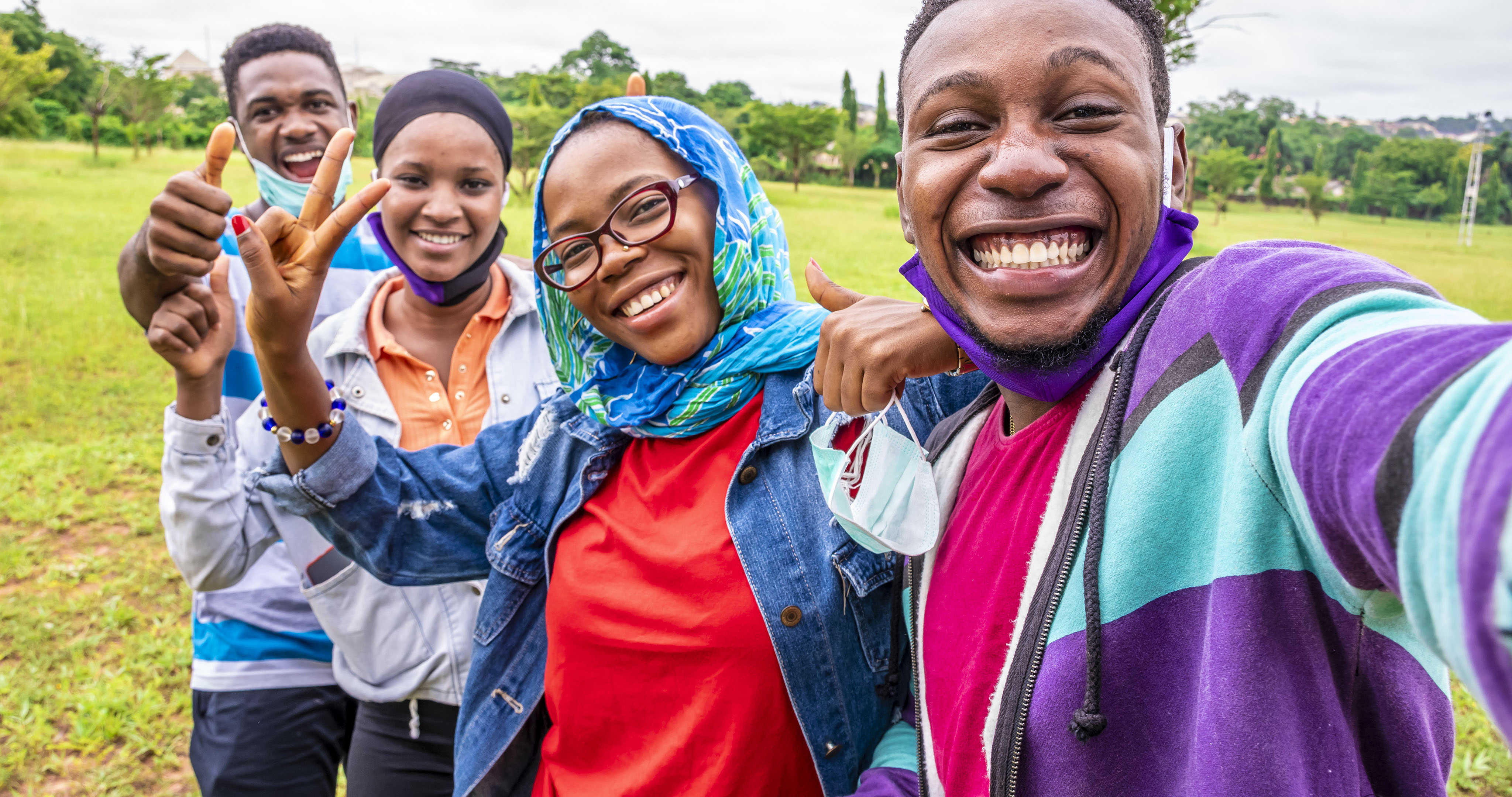
AI has the potential to transform African villages by enhancing access to healthcare, education, and agricultural productivity through innovative solutions like telemedicine, mobile learning, and precision farming. By leveraging AI-powered technologies, these communities can address challenges such as food security, disease management, and limited infrastructure, fostering sustainable development. However, it is crucial to ensure equitable access, digital literacy, and local adaptation of AI tools to maximize benefits while respecting cultural contexts. When implemented thoughtfully, AI can be a catalyst for empowering African villages, promoting economic growth, and improving quality of life.
AI and the youth today
In circuits and code, the youth find their voice,
A digital dawn, a world to rejoice.
AI, their mirror, their tool, their guide,
In bytes and dreams, they stride with pride.
From screens they rise, with sparks in their eyes,
Building a future where hope never dies.
Connected and curious, brave and free,
The youth forge ahead, shaping destiny.
In this dance of man and machine's art,
A symphony of progress, a beating heart.
AI and the youth, a dawn anew,
Together they craft a world true.
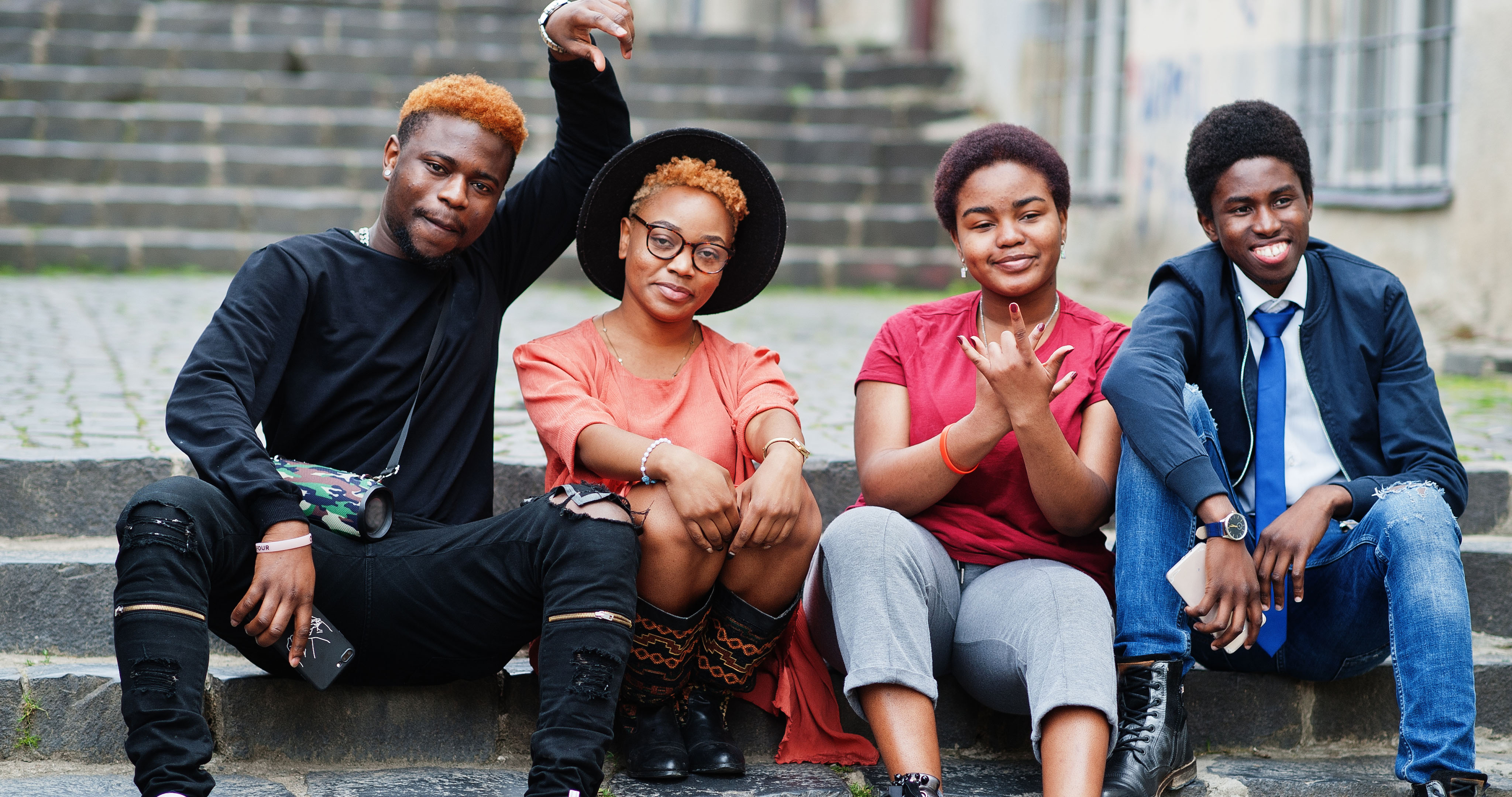
AI holds the potential to profoundly impact and enrich cultures by enabling the preservation, digitization, and dissemination of cultural heritage, languages, and traditions, making them accessible to a global audience. It can facilitate cross-cultural understanding, support language revitalization efforts, and create innovative ways to experience art, music, and history. However, it also raises concerns about cultural homogenization and the misrepresentation of diverse identities. To harness AI's full potential for culture, it is essential to develop ethically responsible tools that respect cultural nuances, promote diversity, and empower communities to share and preserve their unique heritages for future generations.