
The beginning of fabrics dates back thousands of years, with early humans using natural fibers such as animal hides and plant materials to create coverings and clothing.
The earliest known woven fabrics, like linen from ancient Egypt and cotton from India, emerged around 3000 BCE, showcasing the developing skills of weaving and spinning. Over time, various civilizations refined textile techniques, leading to the rich diversity of fabrics we have today, including silk from China, wool from Europe, and synthetic fibers developed in the 20th century.
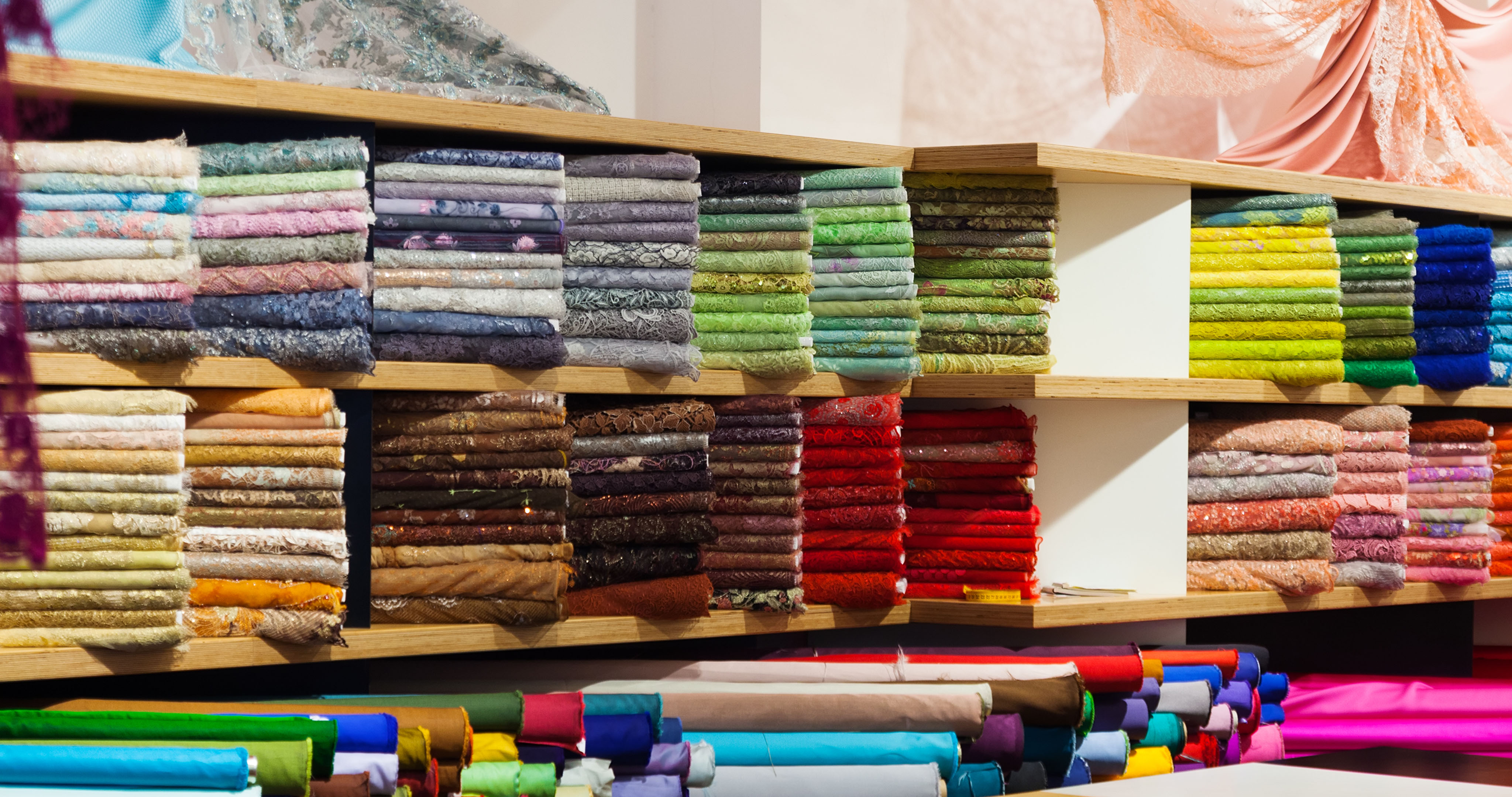
Different fabrics can significantly affect human skin, with natural fibers like cotton, silk, and linen generally being more breathable, hypoallergenic, and gentle, making them suitable for sensitive skin and reducing irritation. Conversely, synthetic fabrics such as polyester, nylon, and acrylic may trap heat and moisture, potentially causing skin irritation, rashes, or heat rashes, especially in individuals with sensitive or allergic skin. Fabrics that wick moisture away from the skin, like merino wool or specialized technical textiles, can help prevent discomfort and skin issues, whereas rough or coarse materials may cause chafing and abrasions. Overall, choosing breathable, soft, and moisture-wicking fabrics can improve skin comfort and health.
Choosing the best fabric for your skin depends on your skin type and personal preferences, but generally, natural fibers like cotton, silk, and linen are ideal due to their breathability, softness, and hypoallergenic properties, making them suitable for sensitive or easily irritated skin. Cotton is widely recommended for its lightweight and breathable qualities, while silk provides a smooth, gentle feel and excellent temperature regulation. Linen is durable and breathable, great for hot weather. For those with allergies or sensitive skin, avoiding synthetic fabrics like polyester and nylon, which can trap heat and moisture, is advisable. Additionally, fabrics labeled as hypoallergenic or organic are often better options for maintaining skin health.
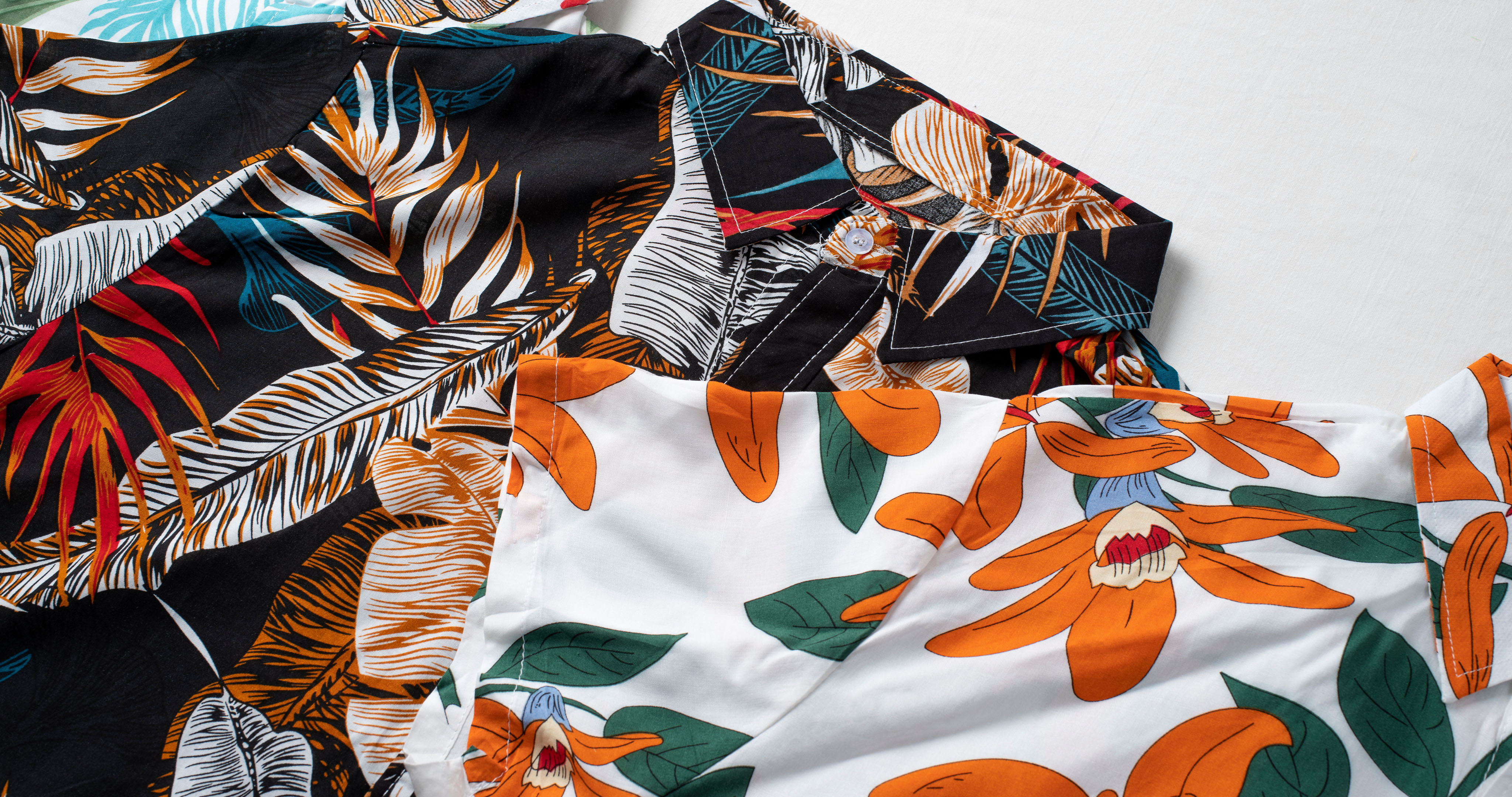
Fabrics have long played a significant role in art, serving as both mediums and inspiration across various cultures and time periods. Textile arts such as quilting, embroidery, tapestry, and fabric dyeing techniques like batik and ikat showcase craftsmanship, cultural identity, and storytelling. Artists often incorporate fabrics into mixed media artworks or create entire pieces using textiles to explore themes like identity, tradition, and social issues. Additionally, fabric patterns and textures influence visual arts, inspiring paintings, prints, and installations. The tactile qualities and visual appeal of fabrics continue to inspire contemporary artists, blurring the lines between craft and fine art.
Fabrics are increasingly playing a pivotal role in the future of agriculture through innovations like biodegradable and sustainable textiles, which reduce environmental impact, and smart fabrics embedded with sensors that monitor crop health, soil moisture, and environmental conditions in real-time. These advanced textiles enable precision agriculture, optimizing resource use and increasing yields while minimizing waste and chemical inputs. Additionally, fabric-based materials are being developed for use in plant protection, such as UV-protective covers or breathable greenhouses, enhancing plant growth and resilience. As technology advances, fabrics will continue to evolve as vital tools in creating more sustainable, efficient, and eco-friendly agricultural practices.
Fabric and technology are now interconnected through innovations like smart textiles embedded with sensors that monitor health, environmental conditions, and even athletic performance, as well as conductive fabrics used in wearable devices for communication and data collection. Advances in nanotechnology have led to fabrics with properties such as water resistance, stain resistance, and enhanced durability, transforming everyday clothing and industrial applications. Additionally, digital printing and 3D knitting enable customized, high-tech fashion and functional textiles for various industries. This fusion of fabric and technology is shaping a future where textiles are not just passive materials but active, interactive components integrated into our daily lives.