The history of visual effects (VFX) dates back to the early 20th century, beginning with simple techniques like matte painting and miniatures used in films such as "A Trip to the Moon" (1902). The development accelerated with innovations like optical compositing in the 1930s, famously used in "The Wizard of Oz" (1939).
The 1970s and 1980s saw the advent of computer-generated imagery (CGI), with groundbreaking films like "Star Wars" (1977) and "Tron" (1982) pioneering digital effects. The 1990s and 2000s witnessed rapid advancements with the rise of sophisticated CGI, motion capture, and digital compositing, exemplified by movies like "Jurassic Park" (1993) and "The Lord of the Rings" trilogy. Today, VFX continues to evolve with technologies like virtual production, real-time rendering, and AI, transforming how filmmakers create immersive worlds and spectacles.

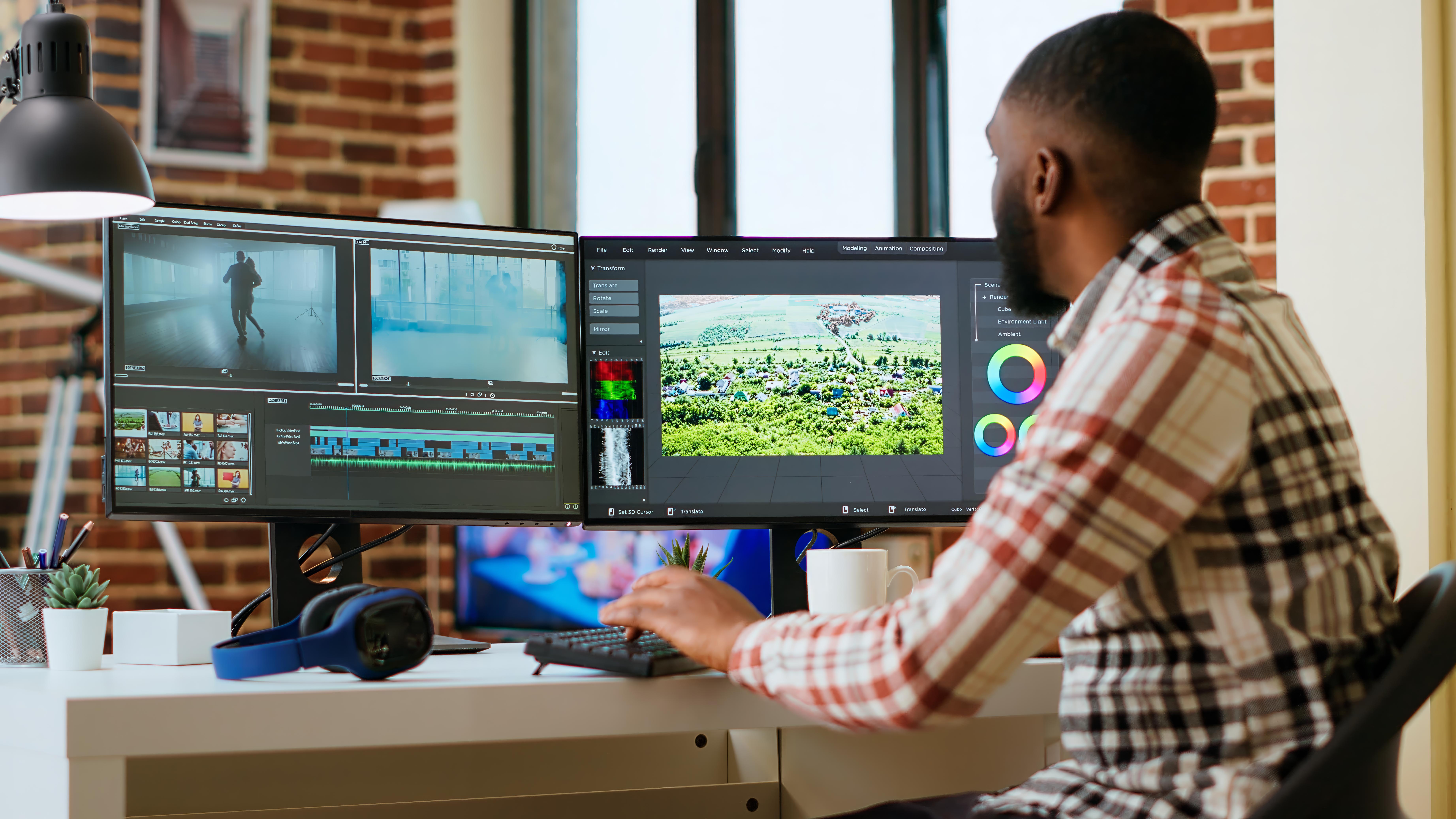
Life as a Gen Z visual effects creator is often characterized by a dynamic and fast-paced environment, where creativity, adaptability, and technological fluency are essential. Many Gen Z VFX creators thrive on social media platforms like TikTok, Instagram, and YouTube, sharing their work, collaborating with others, and gaining exposure quickly. They often juggle multiple projects, stay updated with the latest software and trends, and embrace new tools like AI and real-time rendering to push boundaries. Despite challenges like tight deadlines, copyright issues, and the competitive industry, their passion for innovation and community-driven approach fuels their growth and success in the digital age.
Life as a Gen Z visual effects creator
In pixels and dreams, I forge my way,
A Gen Z soul in a digital ballet.
Vivid visions, colors collide,
Creating worlds where fantasies reside.
Screens flicker with my heartbeat's beat,
Every frame a story, raw and sweet.
From viral trends to silent art,
My visuals speak a thousand hearts.
In the chaos of the neon glow,
I find my voice, I let it show.
A creator born in a fleeting age,
Turning fleeting moments into a visual stage.
Life as a Gen Z visual effects creator—
A blend of passion, pixels, and a restless soul’s explorer.
Visual effects, often abbreviated as VFX, are the techniques used to create, manipulate, or enhance imagery in film, television, and digital media to produce scenes that are either impossible, dangerous, or impractical to film in real life. They serve as the magic behind the scenes, transforming ordinary footage into extraordinary worlds.
At its core, VFX involves several key elements:
- **Compositing:** Combining multiple images or layers to create a seamless final shot.
- **Digital animation:** Creating characters, creatures, or environments that do not exist in reality.
- **Matte painting:** Extending or transforming physical sets with painted or digital backgrounds.
- **Motion capture:** Recording actors’ movements to animate digital characters realistically.
- **Simulation:** Generating natural phenomena like fire, smoke, water, and explosions.
From the shimmering cityscapes of sci-fi epics to the majestic creatures in fantasy films, visual effects allow storytellers to push the boundaries of imagination. They have become an integral part of modern filmmaking, enabling narratives that once belonged solely to dreams and fantasies.
In essence, visual effects are the artistry and technology that make the impossible real, captivating audiences and expanding the horizons of visual storytelling.
The history of visual effects is a tapestry woven with innovation, imagination, and technological breakthroughs that have transformed the way stories are told on screen. It begins in the silent film era, where practical effects, miniatures, and matte paintings created illusions beyond the physical limits of filmmaking. Pioneers like Georges Méliès, with his imaginative use of stop-motion and painted backdrops, laid the groundwork for fantastical storytelling.
With the advent of sound and color, practical effects grew more sophisticated. The 20th century saw the rise of compositing techniques, animatronics, and model work, exemplified in classics like *King Kong* (1933) and *2001: A Space Odyssey* (1968). These innovations allowed filmmakers to depict worlds and creatures previously confined to imagination.
The digital revolution in the late 20th century revolutionized visual effects. The introduction of computer-generated imagery (CGI) in the 1980s and 1990s, exemplified by *Terminator 2* (1991) and *Jurassic Park* (1993), opened new horizons. This era marked the beginning of seamless integration of live-action and digital elements, making impossible scenes a reality.
Today, visual effects continue to evolve with advances in motion capture, virtual production, and artificial intelligence. Films like *Avatar* (2009) and the Marvel Cinematic Universe showcase the limitless potential of modern VFX, blending art and technology to create immersive experiences that captivate audiences worldwide.
The journey of visual effects is a testament to human ingenuity—a relentless pursuit to bring dreams to life on the silver screen.

Visual Effects
In the realm where light and shadow dance,
Visual effects weave illusions with a glance.
Whispers of magic in every hue,
Transforming the mundane into something new.
A splash of fire, a shimmer of rain,
Illusions that soothe, excite, and entertain.
They bend reality, dream, and ignite,
Guiding our senses through the veil of night.
In pixels and frames, a universe unfurls,
Where imagination's flag eternally twirls.
Visual effects—the artists’ spell,
Turning stories into worlds we dwell.